Sealcoating in Raleigh NC: A Commercial Property Guide

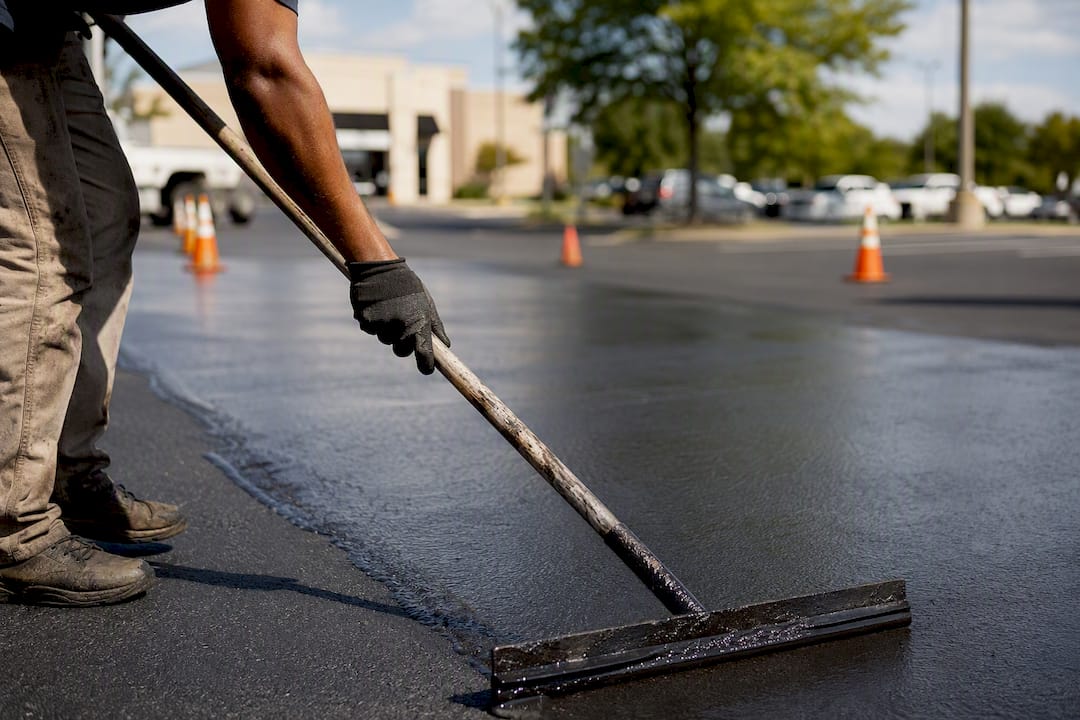
If your parking lot shows graying pavement, hairline cracks, or faded striping, the answer is yes: schedule sealcoating now, before Raleigh’s summer heat and winter freeze cycles turn small problems into pavement replacement. Sealcoating in Raleigh NC protects the asphalt binder from oxidation, water intrusion, and UV damage while restoring a clean, dark finish that reflects well on your property.
Protects asphalt from oxidation, moisture, and UV breakdown
Extends pavement life and delays costly repairs
Improves curb appeal and safety for tenants, customers, and staff
Local contractors recommend sealcoating every 2 to 5 years depending on traffic volume and sun exposure. If your lot is due, request TrueSeal’s remote assessment and get a tailored plan without waiting on a site visit.
Key Takeaways
Commercial pavement in Raleigh needs sealcoating roughly every 2 to 5 years, and delaying it once oxidation and cracking appear leads to costlier repairs down the line.
Point | Details |
Protects the binder | Sealcoating shields asphalt from oxidation, UV rays, and water intrusion before cracking starts. |
Watch for early signs | Graying, hairline cracks, and water pooling signal it’s time for an inspection. |
Crackfill before sealing | Large cracks need filling first, or trapped water speeds up further damage. |
Follow the 2 to 5 year cycle | High-traffic lots need more frequent attention due to Wake County’s weather swings. |
TrueSeal simplifies scheduling | TrueSeal’s remote assessment builds a tailored commercial plan without a mandatory site visit. |
Table of Contents
What Sealcoating Does for Commercial Parking Lots in Raleigh
Asphalt is held together by a binder that oxidizes when exposed to sun, rain, and vehicle fluids. Once that binder breaks down, the surface turns brittle, gray, and prone to cracking. Sealcoating in Raleigh NC works by putting a protective barrier over that binder, shielding it from oxidation, UV rays, and water penetration before deterioration sets in.
The financial logic is straightforward. Industry guidance treats sealcoating as lifecycle cost avoidance: a maintained surface postpones the mill-and-overlay or full-depth reconstruction that comes when water and oxygen reach the binder unchecked. Preventative care almost always costs less than reactive repair.
There’s a visible payoff too. A fresh coat gives your lot a uniform, dark finish that looks intentional rather than neglected, which matters for retail centers, HOA common areas, and office parks where first impressions drive tenant satisfaction.
Reduces moisture penetration that causes potholes
Slows UV-driven surface cracking
Improves traction and visibility of markings
Signals active property management to visitors and tenants
One material note worth flagging: some contractors historically relied on coal-tar sealers, but many jurisdictions now restrict coal-tar products over health and environmental concerns, pushing the industry toward safer, high-performance alternatives.
Signs Your Raleigh Lot Needs Sealcoating
Not every gray patch means an emergency, but ignoring the early signals costs more later. Walk your lot and check for these markers before deciding whether a routine sealcoat, or repairs first, makes sense.
Graying or oxidized surface — the asphalt has lost its black color and looks chalky or faded.
Hairline cracking — thin surface cracks that haven’t widened yet but signal binder breakdown.
Water pooling — standing water after rain points to drainage or surface issues that need attention.
Oil staining or loose aggregate — small rocks lifting from the surface mean the binder is failing structurally.
Faded striping — worn lane lines and ADA markings often mean the sealer layer underneath is gone too.
Timing matters. Wake County’s freeze-thaw cycles and heavy summer sun tend to shorten the useful window between coats, especially for high-traffic entrances and loading zones.
Pro Tip: If you see cracks wider than a quarter inch, those need crackfilling before any sealer goes down. Sealcoating over unfilled cracks just traps water underneath and speeds up damage.
What to Expect During a Professional Sealcoating Visit
A well-run sealcoating job follows a sequence, and skipping steps is where most lot failures start; following surface-sealing best practices ensures lasting protection and shine. Here’s the general order property managers should expect:
Assessment and scoping — TrueSeal’s remote assessment process lets our team review your property digitally and put together a tailored plan without scheduling an on-site walkthrough first.
Surface cleaning — sweeping and blowing debris, oil spots, and vegetation from cracks and low spots.
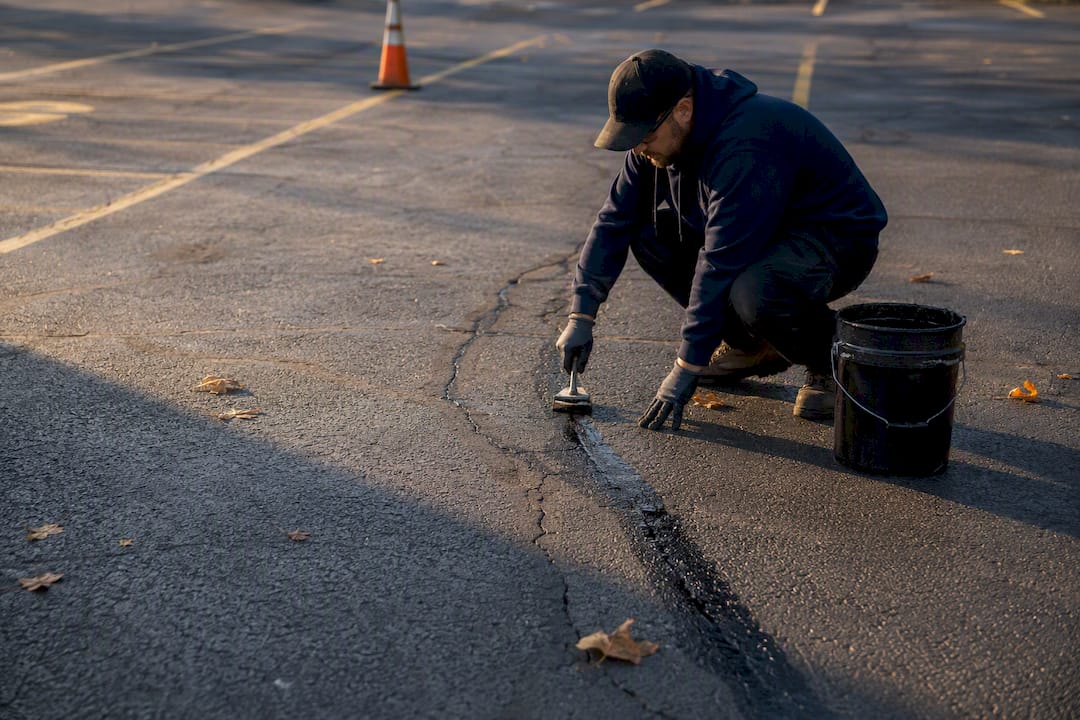
Crackfilling and edge repair — addressing structural cracks and damaged edges before sealer application.
Sealer application — spraying or squeegeeing an even coat, followed by a second pass in high-wear zones.
Cure time and reopening — most lots reopen to light traffic in about 24 hours under normal warm, dry conditions.
A few practical notes for planning around the work:
Schedule during dry, moderate-temperature stretches for the most reliable cure.
Ask whether restriping is included after the sealer sets.
Confirm which entrances stay open during application if your lot has multiple access points.
Why Raleigh Property Managers Choose TrueSeal
TrueSeal built its remote assessment process specifically to remove the friction of coordinating on-site visits across busy retail centers, HOA communities, and commercial parks. You send property details digitally, and our team returns a tailored protection plan, often faster than waiting on a traditional site walk.
Property teams don’t have time to babysit a maintenance contractor. A durable, water-repellent finish that holds up through a Raleigh summer and a Wake County winter is what actually protects your investment, not just a fresh coat of black paint.
Our commercial scope covers the full maintenance cycle rather than a single service:
Commercial-grade sealcoating for parking lots and drive lanes
Crack filling to address structural damage before it spreads
ADA-compliant restriping after sealer application
Long-term surface preservation planning for repeat clients
TrueSeal serves Cary, Raleigh, and Wake County commercial properties, which means local crews who understand how regional weather patterns affect asphalt maintenance timing. That local footprint, paired with a remote assessment model built for commercial scheduling, is what separates a specialized pavement partner from a generic contractor juggling unrelated trades.
What to Ask Before Hiring a Sealcoating Contractor
Not every proposal you receive will cover the same ground, and the gaps are usually where problems show up six months later. Use this checklist when comparing bids.
What’s included in surface prep? Cleaning and crackfilling should be itemized, not bundled vaguely into “prep work.”
What sealer type will be used? Ask directly whether it’s coal-tar based or a modern alternative, and why.
Can you show local commercial references? Photos of similar Raleigh-area lots, ideally with before-and-after context, tell you more than a sales pitch.
What’s the scope document look like? A real proposal lists prep steps, square footage or areas covered, and whether striping is included.
How do you handle reopening guidance? Vague answers about drying time are a red flag; you need a practical window for reopening to traffic.
Pro Tip: If a contractor pushes you toward the cheapest sealer without explaining what’s in it, ask why. Skipping that conversation is one of the most common ways property managers end up re-doing a job within a year.
Watch for red flags beyond pricing: contractors who skip crackfilling entirely, who can’t describe their reopening process, or who pressure you to decide same-day without a written scope.
Request Your TrueSeal Remote Assessment Today
TrueSeal is the specialized alternative to hiring a generalist paving crew for a job that deserves focused attention. Instead of waiting weeks for an on-site estimator, our remote assessment process lets you send property details digitally and get a tailored commercial plan back quickly, without a mandatory walkthrough slowing down your timeline.
[
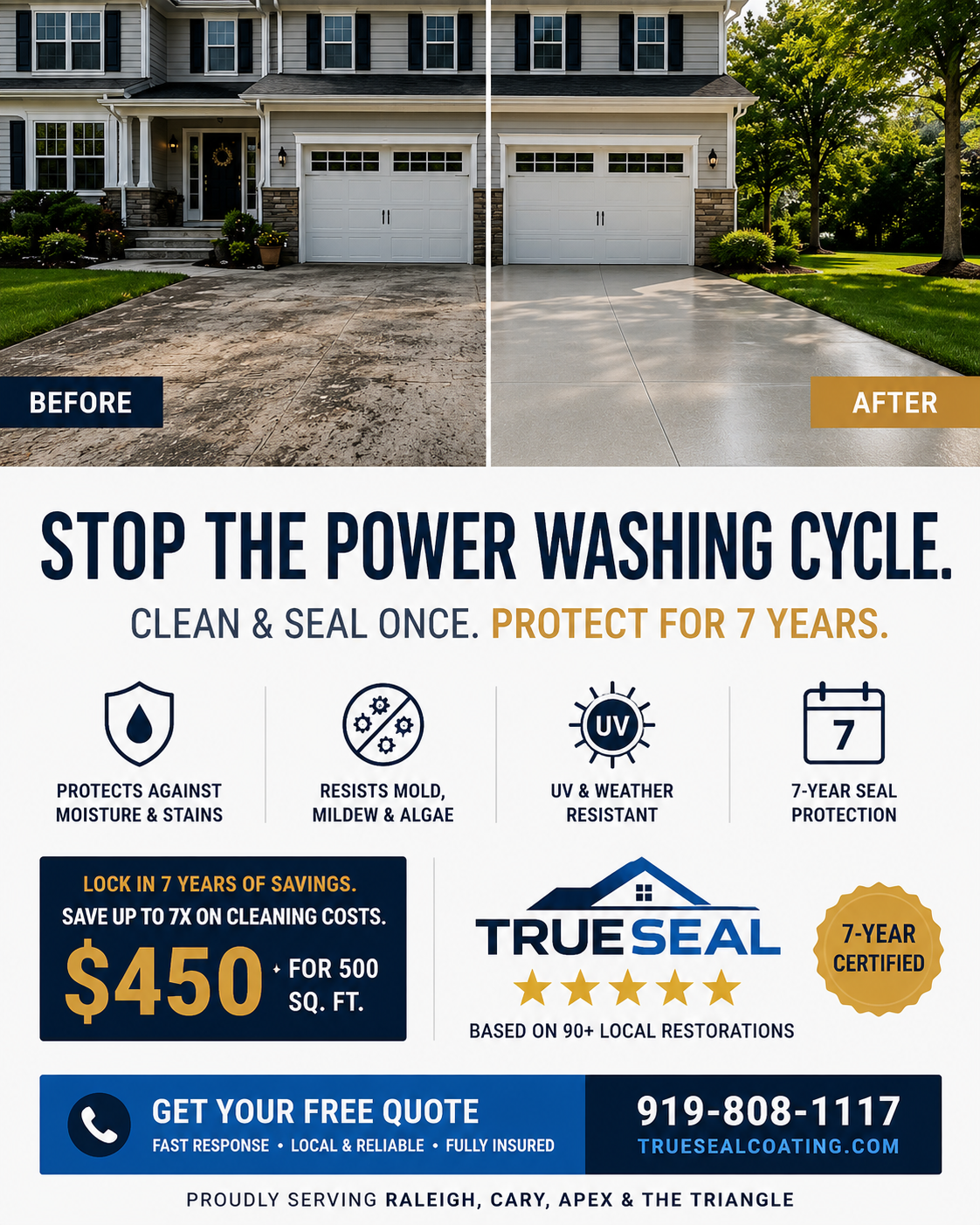
Our commercial scope includes sealcoating, crack filling, and restriping, all aimed at extending pavement life rather than just refreshing its color for a season. If your lot in Raleigh, Cary, or anywhere in Wake County is showing oxidation, cracking, or faded striping, the practical move is to request a commercial assessment now rather than waiting for a small crack to become a full resurfacing project. Reach out today and get a plan built around your property’s actual condition, not a generic estimate.
A Note From TrueSeal
We treat every commercial lot differently because traffic patterns, drainage, and sun exposure vary block by block across Raleigh and Wake County. If your property is due for maintenance, request a remote assessment and we’ll build a plan around what your pavement actually needs.
— TrueSeal
Sources
FAQ
How Often Should a Commercial Lot Be Sealcoated?
Most Raleigh-area contractors recommend every 2 to 5 years, with high-traffic or heavily sun-exposed lots needing shorter intervals.
Do Cracks Need to Be Fixed Before Sealcoating?
Yes. Larger cracks should be filled first, since sealing over them traps water underneath and accelerates damage.
How Long Does a Lot Stay Closed After Sealcoating?
Under normal warm, dry conditions, most lots reopen to light traffic in about 24 hours.
Does TrueSeal Offer Restriping With Sealcoating?
Yes, TrueSeal provides restriping alongside commercial sealcoating and crack filling as part of its full pavement preservation service.
What Areas Does TrueSeal Serve for Commercial Sealcoating?
TrueSeal serves commercial properties across Cary, Raleigh, and Wake County, with a remote assessment process designed to simplify scheduling for property managers.
Comments